Local Handyman vs General Contractor: Which to Hire
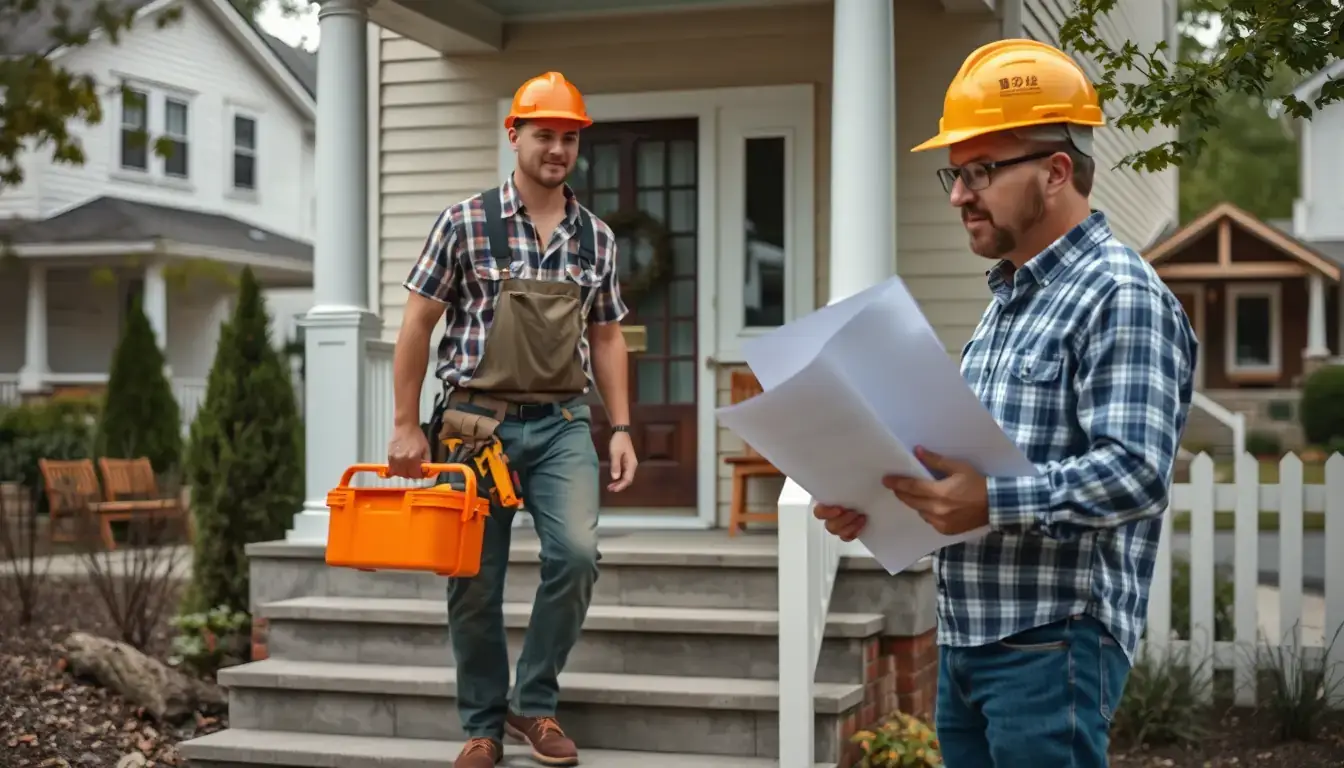
Short answer: Hire a handyman for small, single-trade repairs that do not require permits. Hire a general contractor when your project spans multiple trades, requires a building permit, or involves structural changes. In Bucks County, the distinction matters because licensing rules and liability exposure differ significantly between the two.
Across the 1,608 home-service businesses listed in the Bucks Home Pros directory spanning 43 service categories and 32 service areas in Bucks County, one of the most common matching mistakes homeowners make is calling a handyman for a job that legally requires a licensed general contractor, or paying general contractor rates for a simple repair a handyman could handle in an afternoon. Getting that call right before you dial saves time, money, and a lot of frustration.
What is the actual difference between a handyman and a general contractor?
A handyman is a self-employed or small-team tradesperson who handles a broad range of minor repairs and maintenance tasks, typically within a single visit and without pulling permits. A general contractor (GC) is a licensed professional who plans, coordinates, and takes legal responsibility for construction projects that often involve multiple subcontractors, building inspections, and municipal permits.
The practical gap is scope. A handyman might fix a leaky faucet, patch drywall, replace a ceiling fan, or re-caulk a tub. A general contractor manages a kitchen addition, a basement finish, or a full bathroom renovation from permit application through final inspection. Pennsylvania does not issue a statewide handyman license, but it does require contractors working on projects above certain cost thresholds to register with the Pennsylvania Attorney General's office under the Home Improvement Consumer Protection Act (HICPA). General contractors additionally carry contractor-specific licensing that varies by municipality, so Doylestown, Newtown, and Bensalem each have their own permitting offices with their own requirements.
Which type of project calls for a handyman?
A handyman is the right call when the work is cosmetic, minor, or single-trade and does not require a permit. Common handyman tasks in Bucks County homes include:
- Replacing interior doors or hardware
- Patching and painting small sections of drywall
- Installing shelving, grab bars, or ceiling fans
- Caulking windows or tubs
- Minor deck repairs that do not change structural load
If the job can be described in one sentence, finished in a day or two, and does not touch plumbing supply lines, electrical panels, or load-bearing walls, a handyman is usually the more efficient and affordable choice. Because many towns from Warminster to Yardley have older housing stock, minor deferred maintenance jobs like these come up constantly, and a skilled local handyman handles them without the overhead a GC would bring.
When do you need a general contractor instead?
You need a general contractor when the project requires a building permit, involves structural work, or requires licensed subcontractors to coordinate. In Bucks County, that typically includes:
- Additions, room conversions, or any change to the building's footprint
- Full kitchen or bathroom gut renovations with new plumbing and electrical rough-in
- Roof replacement on a primary structure (versus minor repair)
- Basement finishing that adds habitable square footage
- Any project where the municipality requires inspections at multiple stages
A GC holds the permit, schedules inspections, and is legally accountable for the finished work meeting code. That accountability is not just paperwork: if unpermitted structural work surfaces during a home sale in Levittown or Langhorne, it can delay or kill the transaction entirely. Paying GC rates for that oversight is what you are actually buying. You can browse general contractors listed in Bucks County to compare local businesses working across the county's towns.
Does Pennsylvania require a handyman to be licensed?
Pennsylvania does not issue a specific statewide handyman license, but that does not mean a handyman operates in a legal vacuum. Under HICPA, any contractor performing home improvement work for more than a threshold amount must register with the state and carry a minimum level of liability insurance. That registration is searchable and verifiable. Beyond HICPA, work that crosses into licensed trades -- electrical, plumbing, HVAC -- requires the appropriate trade license regardless of who does the actual physical work.
This is the most important practical point for Bucks County homeowners: if a handyman offers to rewire an outlet, replace a water heater, or service an HVAC system without holding the relevant trade license, the work is unlicensed. That creates real exposure for the homeowner if something fails later, especially at resale. When a job touches those systems, check the electricians or HVAC categories specifically, where licensed trade contractors are listed by town.
How do you verify that the pro you found is legitimate?
Whether you hire a handyman or a GC, verification follows the same short checklist:
- Confirm HICPA registration with the Pennsylvania Attorney General's online database
- Ask for a certificate of general liability insurance and, for employees, workers' compensation coverage
- Request a written, itemized estimate before any work begins
- For permitted work, confirm the contractor will pull the permit in their own name, not yours
- Check reviews on more than one platform and ask for one or two local references you can actually call
Listings in the Bucks Home Pros directory carry a verified badge when the business name, phone number, address, and service area have been confirmed, and a claimed badge when the business owner manages the profile directly. Those markers are a starting point for independent verification, not a substitute for it. The homeowner should still confirm insurance and registration before signing anything.
What does each type of pro typically cost?
Costs vary by project complexity, materials, and the specific contractor, so treat any figure as a rough orientation only. Handyman work in the Philadelphia suburbs typically runs by the hour or by a flat per-job rate, with hourly rates varying widely depending on the trade and the market. General contractors typically work on a percentage of total project cost or a fixed bid, and their overhead reflects the licensing, insurance, and subcontractor coordination their role requires.
The honest answer is that a GC on a small job often costs more than the job warrants, while a handyman on a job that needed permits can cost you far more in code violations or remediation later. Matching the pro to the scope is what keeps costs reasonable. For larger renovation scopes, the construction services listed in Bucks County cover general contractors and specialty builders working across towns like Quakertown, Chalfont, Perkasie, and Warrington.
Still not sure which pro fits your project?
Browse the Bucks Home Pros directory by service category to find contractors working in your specific town, from Southampton to New Hope to Fairless Hills. Each listing shows the business's contact information directly, with no forms to fill out and no lead-sharing with third parties. If your project is on the line between a handyman and a GC, compare a few profiles, make two calls, and let the pros tell you what the job actually requires.
Frequently asked questions
Can a handyman do roofing repairs in Bucks County?
Minor repairs like replacing a few shingles or sealing a flashing joint often fall within what a skilled handyman handles, but a full roof replacement typically requires a licensed roofing contractor and may require a permit depending on the municipality. For anything beyond a spot repair, check the roofing contractors listed by town and ask each candidate whether they will pull the permit themselves.
What warning signs should I watch for when getting quotes?
Walk away from any contractor who demands a large cash deposit upfront before work begins, refuses to provide a written contract, or offers to skip the permit to save money. Legitimate pros in Bucks County, whether handymen or general contractors, have no reason to avoid paper trails, and any pressure to skip the permit process should stop the conversation immediately.